


Search engine optimization has evolved dramatically. In 2026, ranking on Google is no longer about stuffing keywords or writing long articles without strategy. It’s about search intent, content quality, experience signals, and smart optimization.
If you run a blog like Zenowrites.com, mastering SEO writing is essential to grow traffic consistently.
This complete guide will walk you through everything you need to know.
1️⃣ Understand Search Intent (The Foundation of Ranking)
Before writing a single word, ask:
What does the user actually want?
There are 4 types of search intent:
- Informational – Learn something
- Navigational – Find a specific site
- Commercial – Compare options
- Transactional – Buy something
For this article, the intent is informational + strategic.
Google now prioritizes content that directly satisfies search intent.
2️⃣ Smart Keyword Research for 2026
Keyword research isn’t just about search volume anymore. You need:
- Low competition keywords
- Clear intent
- Ranking opportunity
🔎 Tools You Can Use:
- Google Keyword Planner
- Ubersuggest
- Ahrefs
- SEMrush
- Google “People Also Ask”
- Google Autocomplete
Example Keyword Strategy
Primary Keyword:
How to write SEO-optimized blog posts
Secondary Keywords:
- SEO blog writing tips
- How to rank blog posts
- On-page SEO guide
- Blog SEO checklist
Use your primary keyword:
- In title
- In first 100 words
- In one H2
- Naturally throughout content
Avoid keyword stuffing.
3️⃣ Structure Your Blog Post Properly
Google prefers structured content.
Here’s the perfect structure:
- H1 – Main Title
- Introduction (Hook + Promise)
- H2 – Main Sections
- H3 – Subtopics
- Bullet points
- Short paragraphs
- Conclusion
Example of Proper Structure

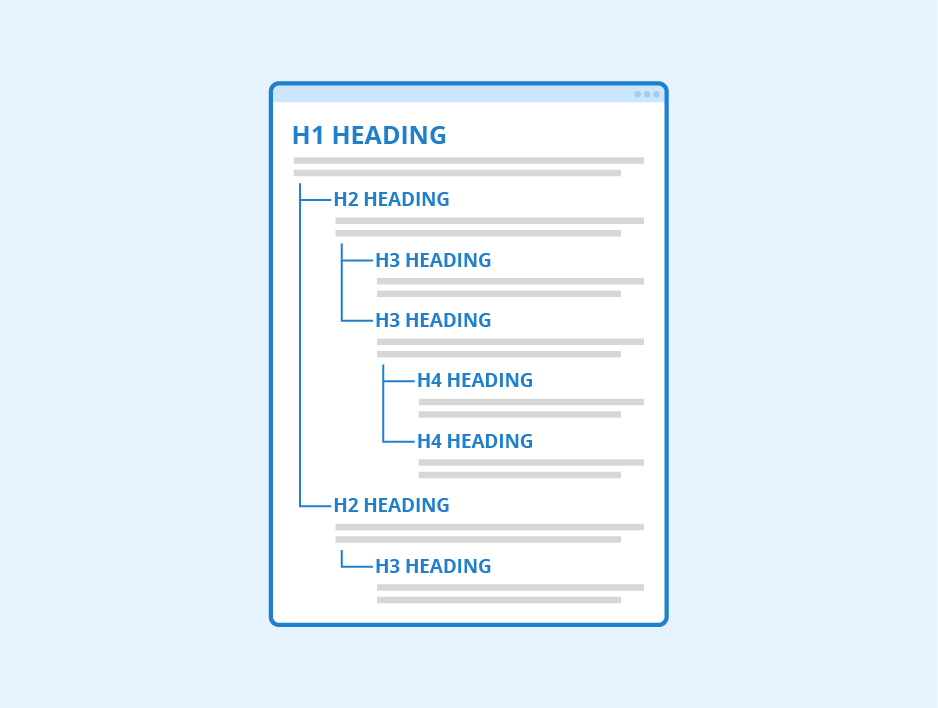
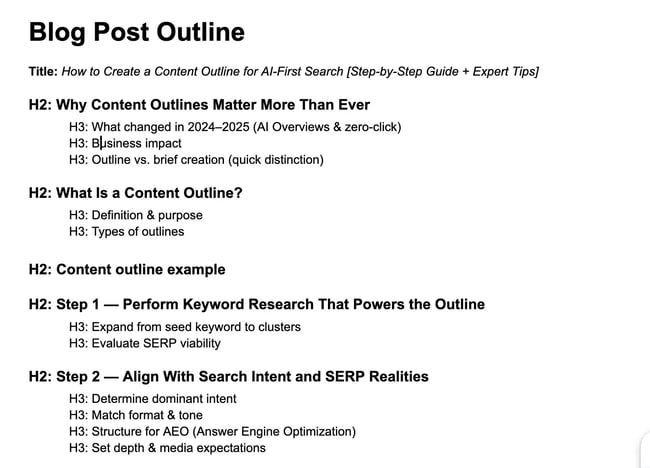
A well-structured article improves:
- Readability
- User engagement
- Time on page
- Ranking potential
4️⃣ Write High-Quality, Helpful Content
In 2026, Google prioritizes:
✔ Experience
✔ Expertise
✔ Authority
✔ Trust
This is often referred to as E-E-A-T principles.
To improve authority:
- Add real examples
- Use data
- Explain step-by-step
- Avoid fluff
- Write in-depth
Your goal:
Solve the reader’s problem better than competitors.
5️⃣ Optimize On-Page SEO Correctly
On-page SEO is still powerful.
Here’s your checklist:
✅ Title Optimization
- Include primary keyword
- Keep under 60 characters
- Make it compelling
✅ URL Optimization
Good:
zenowrites.com/seo-optimized-blog-posts-2026
Bad:
zenowrites.com/post123?id=45
✅ Meta Description
- 150–160 characters
- Include keyword
- Encourage clicks
✅ Internal Linking
Link to:
- Related blog posts
- Pillar articles
This increases time on site.
✅ External Links
Link to authoritative websites to increase credibility.
6️⃣ Use Images Properly (Image SEO)
Images improve engagement and ranking.



Best practices:
- Compress images
- Use descriptive file names
- Add alt text with keywords
- Use WebP format
Example:
alt="How to write SEO optimized blog posts example"
7️⃣ Write for Humans First, Then Optimize
Big mistake: Writing for Google.
Correct approach:
- Write naturally
- Use conversational tone
- Break long paragraphs
- Add examples
- Keep sentences clear
Google now tracks:
- Bounce rate
- Dwell time
- Engagement
If readers stay longer → You rank higher.
8️⃣ Optimize for Featured Snippets
To rank #0 position:
- Answer questions clearly
- Use bullet points
- Add definition boxes
- Use “How to” steps
Example format:
How to write SEO blog posts:
- Research keywords
- Understand intent
- Structure content
- Optimize on-page
- Add internal links
Clear formatting increases snippet chances.
9️⃣ Use AI Smartly (Not Blindly)
AI tools can help:
- Generate outlines
- Suggest ideas
- Improve grammar
But:
❌ Don’t copy-paste raw AI content
❌ Don’t publish generic content
Always:
- Edit
- Add personal insight
- Add examples
Google rewards originality.
🔟 Improve Page Experience
Technical factors matter in 2026:
- Fast loading speed
- Mobile responsiveness
- Clean design
- Secure HTTPS
Improve:
- Core Web Vitals
- Page speed under 3 seconds
Use:
- Lightweight themes
- Optimized images
- Caching plugins
1️⃣1️⃣ Content Length: How Long Should It Be?
In competitive niches:
- 1200–2500 words perform well
- But quality > length
Don’t write long for no reason.
Write as long as needed to fully answer the query.
1️⃣2️⃣ Promote After Publishing
SEO is not just publishing.
After publishing:
- Share on social media
- Share in writing communities
- Email subscribers
- Build backlinks
- Update old posts
Updating content every 6–12 months improves rankings.
Final Blog SEO Checklist for 2026
✔ Keyword research done
✔ Search intent matched
✔ Proper structure used
✔ Internal & external links added
✔ Images optimized
✔ Meta description written
✔ Mobile-friendly
✔ Fast loading
✔ Human-focused writing
Final Thoughts
Writing SEO-optimized blog posts in 2026 is about strategy, structure, and value.
If you:
- Understand search intent
- Write helpful content
- Optimize smartly
- Focus on user experience
Your blog posts will rank.
SEO is no longer about tricks.
It’s about delivering the best answer on the internet.
